

Published: October 14, 2026
By: Demitrius Kikalos, Sales Leader
Ask most growers about soybean replant, and they’ll tell you the hard part usually isn’t deciding to do it. It’s everything after: which field to start with, how much seed to order, and which pockets actually need it. When the window is tight, you need those answers fast.
This spring, one of our growers got them in a single day. Here’s how.
A stop-and-start spring
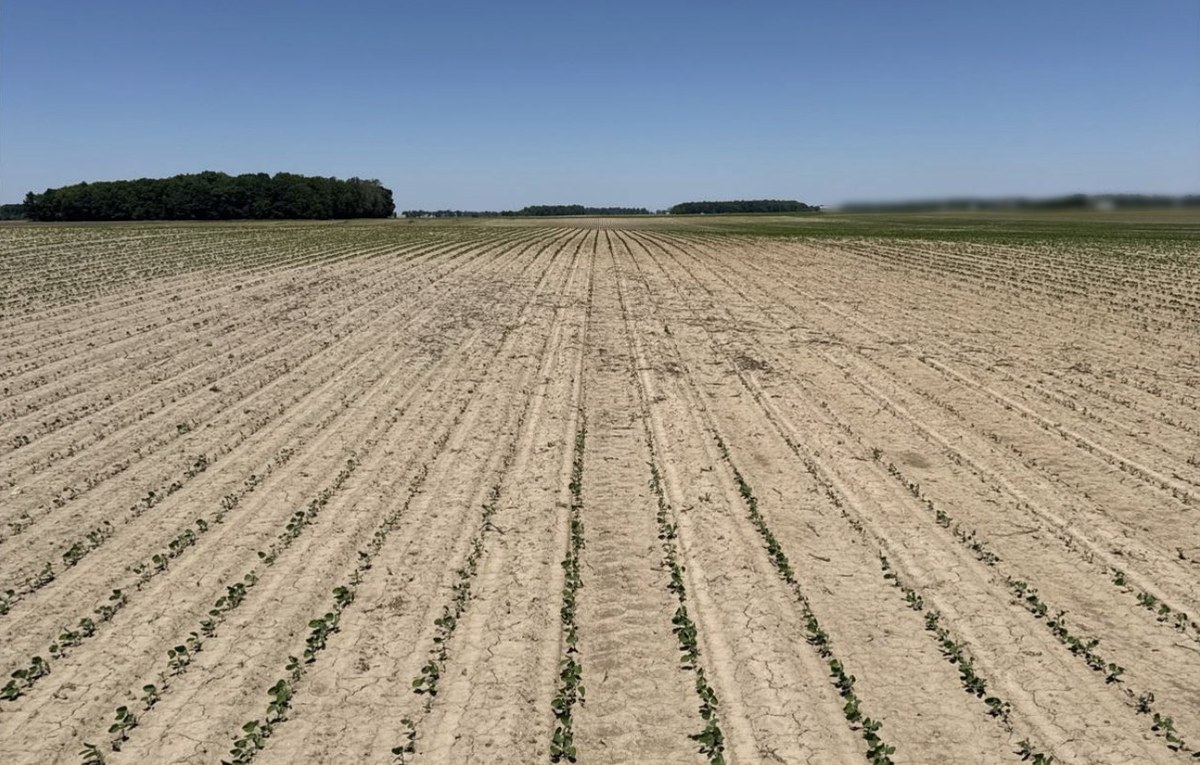
This multi-generational operation grows corn and soybeans, built around efficiency: getting the most out of every pass, every acre, and every hour. They plant early most years. And for several springs running, the weather has been wet. 2026 was no exception.
Beans went in early. Then came heavy rain, a stretch of hot weather, and more rain. By the time conditions cooperated, emergence was thin and patchy across several fields, and the window to replant was narrow. Without action, some of those acres were headed toward near-zero yield.
Three replant questions, one tight window
With several fields hit by the same weather, the team needed fast answers to three questions:
- Where do we go first?
- How much seed do we order?
- Which fields and pockets are the priority?
Guess wrong in a tight window, and you burn time driving to the wrong fields, or run short on seed where it matters most.
Ground truth first, then AI
This was the operation’s second season on AGMRI, and they started where good agronomy always starts: on the ground.
The team visited one affected field to build a baseline. They dropped scouting pins and confirmed what the AGMRI imagery showed, so the map patterns matched what was happening in the dirt. Once they knew what a problem pocket looked like in the AGMRI, they could find that same signature across the other affected fields without walking every acre.
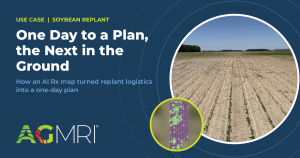
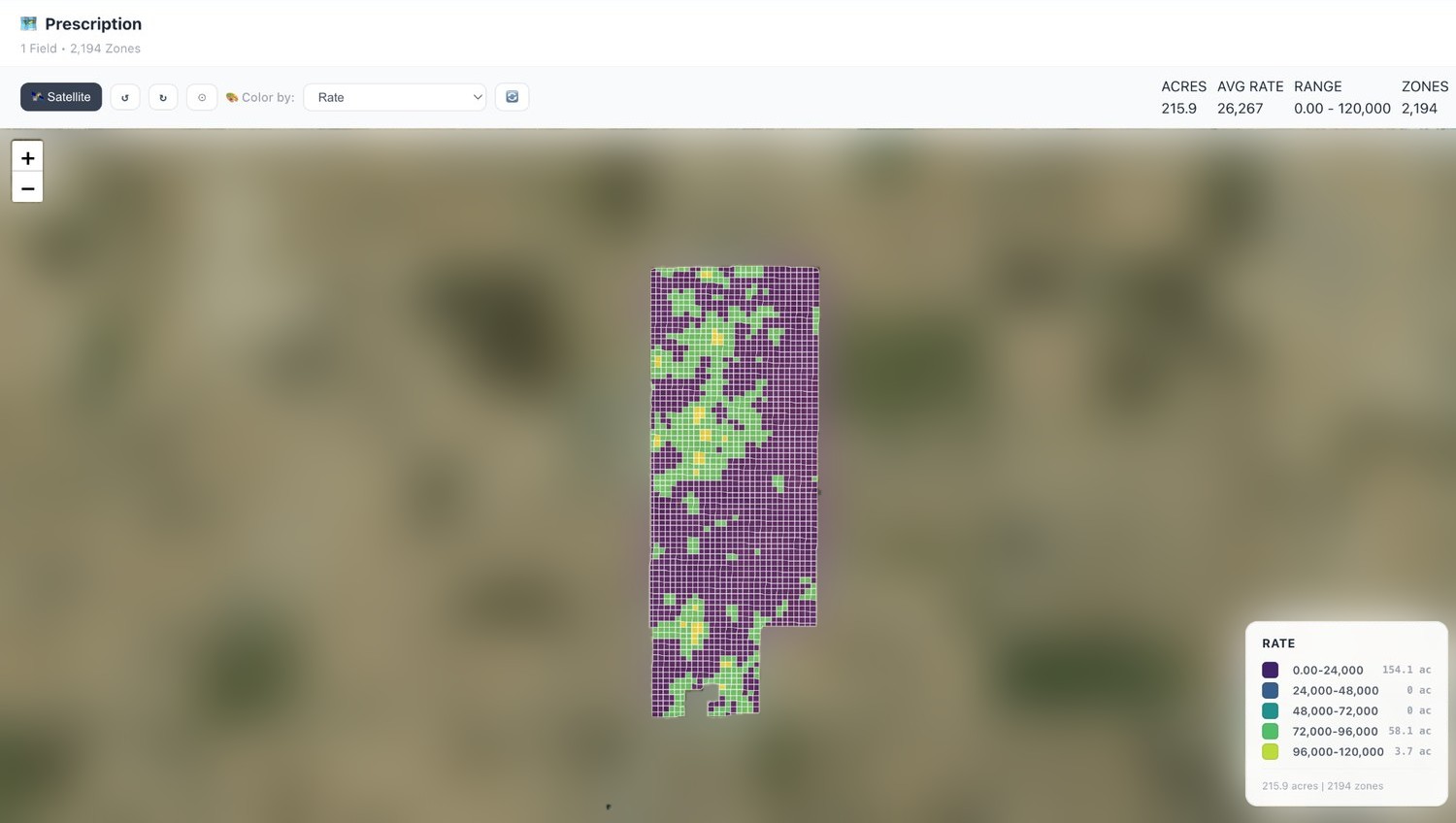
Then they gave the scouting and analytics results to the AGMRI AI agent and asked it to generate a replant prescription. After a couple of iterations, they had an acre-level, variable-rate Rx map. It ranked which pockets to replant across a handful of fields and sized the seed order to match.
Diagnose, build the Rx, refine: all of it happened on June 2. The grower replanted the fields on June 3.
The results
On one 219-acre field, the plan let the grower spot-replant roughly 60 acres that otherwise would have produced almost nothing.
- About 60 acres recovered: moved from a projected 0 bu/ac toward a forecast of 60+ bu/ac
- +16.4 bu/ac: the forecast lift across the whole 219-acre field
- About $160/ac: recovered opportunity across the field, before input cost
Just as important in a compressed window, the Rx map let the crew work the right acres in the right order and order the right amount of seed, instead of reacting field by field.
What I take from this
The technology didn’t make the call. The grower and the crew did, starting with boots in the field. AGMRI took what they confirmed on the ground and scaled it across every affected acre, fast enough to matter. That’s the job AGMRI is built to do: help good people make good decisions faster.
Frequently Asked Questions
What is a spot replant Rx map?
How does AGMRI help with soybean replant decisions?
Does this replace scouting?
How fast can a replant plan come together?
Get your next replant plan in a day
Demitrius Kikalos is Sales Leader for Intelinair.