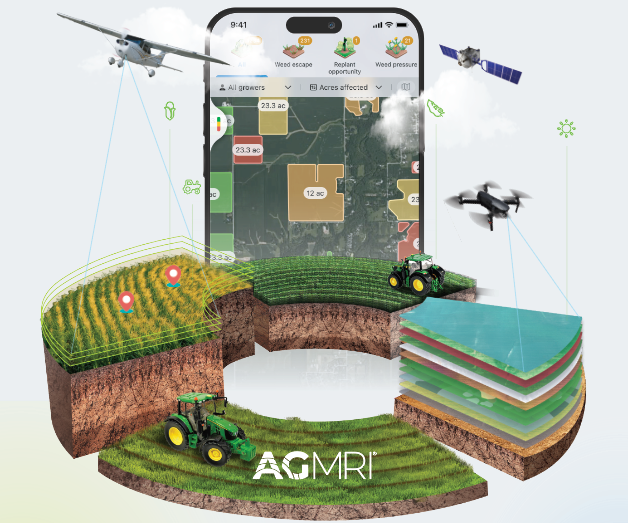


Many growers and agronomists know AGMRI as a crop intelligence platform used for field monitoring with high-resolution aerial imagery. But the platform supports far more than simple crop monitoring.
AGMRI combines imagery analysis, disease risk modeling, and field insights to help growers and agronomists identify issues earlier, prioritize scouting, and make better management decisions throughout the growing season.
Whether you’ve been using AGMRI for years or are just getting started, here are five capabilities you may not have fully explored yet.
1
Identify and Forecast Disease Risk
AGMRI helps agronomists and growers identify and forecast disease risk in corn and soybean fields by tracking environmental conditions throughout the season.
The platform monitors and accumulates risk for six major corn and soybean diseases, helping users recognize when disease pressure is building and when intervention may be most effective.
With disease risk insights available throughout the season, users can:
- Monitor disease risk trends across fields
- Identify optimal windows for treatment decisions
- Act before visible symptoms impact crop yield
This proactive approach helps agronomists and growers manage disease risk earlier and more effectively.
2
Catch Crop Issues Earlier
AGMRI analyzes high-resolution aerial imagery of crop fields to detect subtle changes in crop health. These early indicators of crop stress often appear before problems are visible during field scouting, allowing agronomists and growers to identify emerging issues sooner.
Earlier visibility helps teams:
- Prioritize scouting locations
- Investigate crop stress sooner
- Respond more quickly to developing field problems
Early detection allows growers to address small problems before they expand across a field.
3
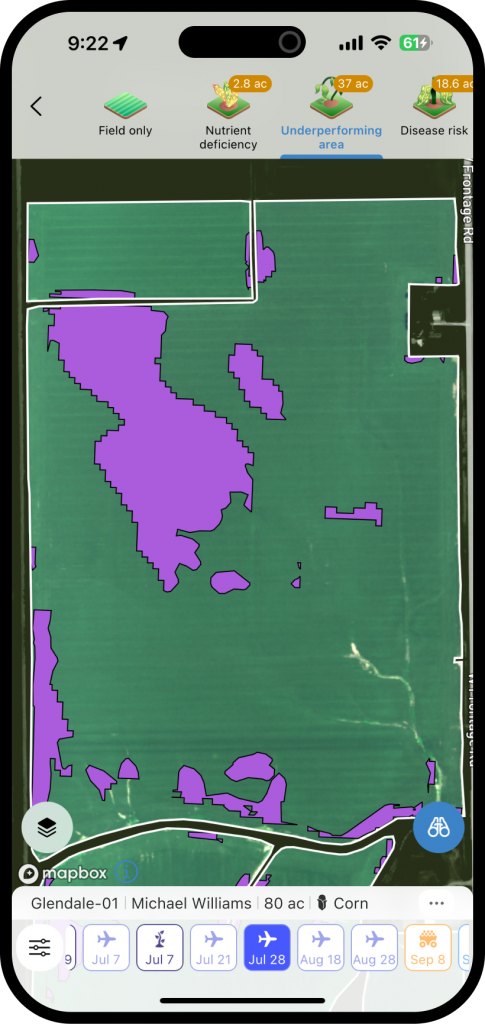
Turn Insights into Actionable Zones
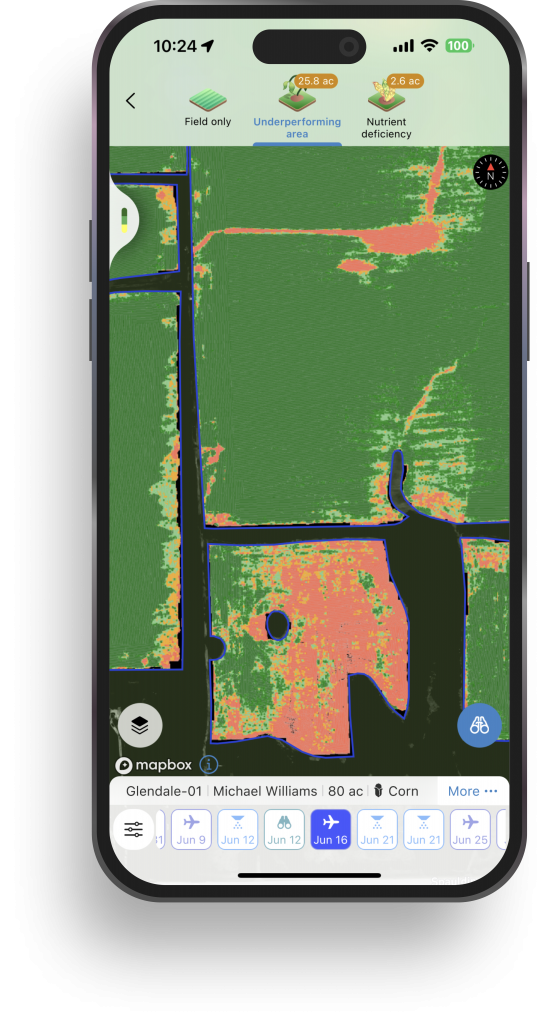
AGMRI transforms crop imagery and analytics into clear management zones within a field.
Instead of interpreting imagery manually, users can quickly identify:
- High-performing crop areas
- Underperforming zones
- Patterns related to soil variability, drainage, or management practices
These insights support more targeted field management strategies, including:
- Variable rate input applications
- Targeted crop scouting
- Prioritizing field visits
By translating imagery into actionable zones, AGMRI helps turn field data into practical decisions.
4
Track Field Performance Over Time
Crop conditions change rapidly during the growing season. AGMRI provides continuous field monitoring and crop health insights, enabling growers and agronomists to track how conditions evolve over time.
Season-long insights allow users to:
- Compare crop conditions week to week
- Monitor crop development and progress
- Evaluate how fields respond to weather events or management decisions
Tracking these patterns over time helps reveal what factors are influencing field performance and yield potential.

5
Scout and Collaborate Better
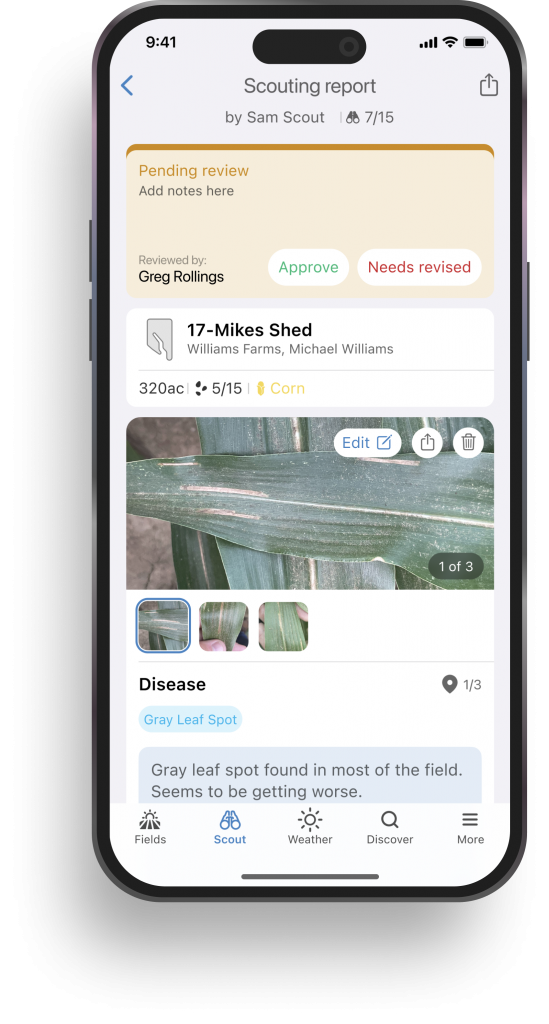
AGMRI helps growers and agronomists scout fields more efficiently by identifying where attention is needed most.
Instead of walking entire fields, users can pinpoint areas showing signs of stress and scout those locations first.
The platform also improves collaboration by allowing growers, agronomists, and advisors to review the same imagery and field insights when discussing crop conditions.
This makes it easier to:
- Focus scouting on priority areas
- Share observations with advisors and agronomists
- Align quickly on management decisions
Unlocking the Full Value of AGMRI
AGMRI is designed to support crop management decisions throughout the growing season—from early crop development through post-season evaluation and planning.
By combining imagery, crop health analysis, and disease risk insights, the platform helps growers and agronomists better understand field conditions and respond more effectively.
These five capabilities represent just a few ways AGMRI can support more informed field management.
To learn more about how AGMRI can support your operation, contact us.